Participation of a Faculty Member of the Fisheries Science Research Institute in the 17th Meeting of the Conference of the Parties to the Convention on Biological Diversity (CBD COP 17) in Armenia
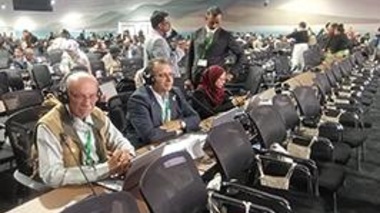
According to the Public Relations Department of Iranian Fisheries Science Research Institute, Fereidoon Owfi—a faculty member of the institute, the National Focal Point for the Global Biodiversity Information Facility (GBIF), and Vice-Chair of the ISO/TC 331 Biodiversity Technical Committee—participated in the 17th meeting of the Conference of the Parties to the Convention on Biological Diversity (CBD COP 17) alongside the official delegation of the Islamic Republic of Iran. The summit was held in Yerevan, Armenia, from October 19 to October 31, 2026.
The conference brought together representatives from member states, international organizations, technical authorities, and leading global experts in biodiversity. The Iranian delegation actively participated in the event with the aim of safeguarding national interests regarding biodiversity conservation, sustainable utilization, biosafety, technology transfer, resource mobilization, and the fair and equitable sharing of benefits arising from the utilization of genetic resources.
The Iranian delegation comprised national focal points for the convention, executive and provincial managers from the Department of Environment, representatives from the Ministry of Agriculture, the Ministry of Foreign Affairs, the Plan and Budget Organization, and the Organization of Natural Resources and Watershed Management, as well as faculty members and biodiversity specialists. They engaged in official sessions, technical working groups to review over 50 documents, and various side events to present national perspectives and defend national positions.
Key themes and agenda items discussed at the summit included: climate change and biodiversity, biodiversity and agriculture, invasive alien species (IAS), communications and education, gender and biodiversity, protected areas, resource mobilization mechanisms, the role of Indigenous Peoples and Local Communities (IPLCs), the global assessment of implementation progress, Digital Sequence Information (DSI), marine and coastal biodiversity, sustainable wildlife management, and capacity building for ecosystem conservation and restoration.
Furthermore, negotiations focused on the two supplementary protocols of the Convention: the Cartagena Protocol on Biosafety and the Nagoya Protocol on Access and Benefit-Sharing (ABS), as well as the mandates of the United Nations Convention on the Law of the Sea (UNCLOS) regarding the conservation and sustainable use of marine biological diversity in areas beyond national jurisdiction (BBNJ).
A significant portion of the agenda was dedicated to advancing the implementation of the “Kunming-Montreal Global Biodiversity Framework” (adopted at COP15). During COP17, intensive negotiations took place among high-level government officials, including ministers and environmental deputies, to reach final agreements on remaining documents from previous summits.
Given the strategic importance of the country’s marine and coastal resources and habitats, the representative of the Fisheries Science Research Institute focused heavily on specialized participation in marine and coastal biodiversity negotiations. Key priorities included advocating for the protection and sustainable use of fisheries resources, identifying and safeguarding sensitive habitats, strengthening scientific and regional cooperation, and the necessity of developing regional and global frameworks for monitoring sensitive habitats, with an emphasis on endemic and threatened species. In this context, he underscored the imperative of relying on scientific and technical assessments.
In addition to the formal sessions, more than 25 side events were held daily in the “Blue Zone” by prominent international organizations such as the International Union for Conservation of Nature (IUCN), CITES, the World Wildlife Fund (WWF), the Global Environment Facility (GEF), UNESCO, and the FAO. These events provided a valuable opportunity for knowledge exchange, presenting Iran’s scientific achievements, and expanding international engagement.
Furthermore, the pavilion of the Department of Environment of the Islamic Republic of Iran in the “Green Zone” hosted international specialists and faculty members, providing a platform to discuss potential collaborations in the conservation, restoration, and sustainable use of the country’s biodiversity.