
Fishery Industry Waste to be Converted into Economically Valuable Products
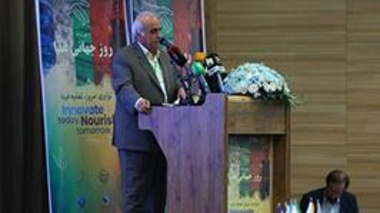
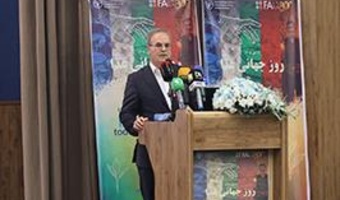
According to the Public Relations Department of the Iranian Fisheries Science Research Institute, quoting the IANA News Agency, Mohammad Sediq Mortazavi, speaking at the World Food Day ceremony, noted that the increasing global population, the limitation of terrestrial and freshwater resources, climate change, and rising energy and raw material costs have necessitated a shift toward sustainable food sources and the expansion of aquaculture.
Referring to global statistics, he stated that aquatic production has risen from less than 20 million tons in the 1950s and 1960s to nearly 200 million tons in recent years, with aquaculture’s share of global production also increasing.
Mortazavi noted that in Iran, alongside the declining trend in wild capture, aquaculture production is on the rise. According to Iranian Fisheries Organization statistics, in the past year, approximately 839,000 tons of aquatic products were produced through fisheries activity, while nearly 730,000 tons were produced via aquaculture.
The director of the Iranian Fisheries Science Research Institute identified food processing, the production of novel food products, the creation of added value, and marine biotechnology as key areas of innovation in the food industry. He explained: “The global trend in this industry is moving toward the development of alternative proteins, innovative packaging, waste reduction, smart manufacturing, and sustainable production.”
Referring to the institute’s research activities in aquatic product processing, Mortazavi identified the development of value-added food products from low-economic-value species as a priority, adding: “The production of products such as fish nuggets and burgers is among the measures being pursued to increase the diversity of fishery products, enhance per capita aquatic consumption, and provide the public with nutritious and affordable food options. A portion of the technical knowledge for these products has already been transferred to the private sector.”
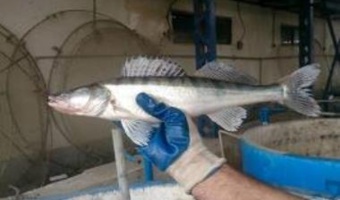
He also pointed to the potential of utilizing small fish from the northern country and species such as sardine and muto in the south of Iran, stating that the optimal utilization of these resources is a key strategy for producing protein-rich food products with high nutritional value and reasonable prices.
The Director of the Iranian Fisheries Science Research Institute also highlighted the high volume of waste in aquatic processing industries, stating: “In sardine processing, approximately 50–60% of the raw material received by processing plants becomes waste. However, with the application of appropriate technologies, this material can be converted into economically valuable products.”
According to Mortazavi, the Institute’s ongoing research activities include the production of organic and bio-fertilizers from fishery waste, the production of amino acid fertilizers from fish waste, the production of bio-silage, and the recovery of proteins and minerals. The production of lipase enzymes from waste is another research focus that could help reduce dependency on imports. Additionally, some cosmetic and hygienic products have been developed using compounds recovered from marine resources.
He also mentioned that extracting bioactive marine compounds, such as agar and polyphenols, and utilizing them to improve the formulation, quality, and nutritional value of food products is among the institute’s research fields.
Addressing the country’s dependency on imported probiotics, Mortazavi announced the development of indigenous probiotics with applications such as preventing infectious diseases, improving water quality, boosting immune systems, and increasing aquatic growth rates, saying: “The technical knowledge for a portion of these products has been transferred to the private sector, and their commercial production is set to begin soon. Furthermore, the development of semi-industrial and industrial production of indigenous probiotics for use in aquaculture feed is on the agenda.”
Emphasizing the necessity of developing marine biotechnology, the Director of the Iranian Fisheries Science Research Institute pointed to the potential of this field in producing diverse products beyond food, stating: “Marine enzymes, microalgae, high-value nutritional compounds, and innovative packaging technologies are among the areas receiving global attention to increase efficiency, reduce waste, and develop sustainable products.”
Mortazavi concluded by emphasizing the need to expand cooperation between researchers, operators, and relevant organizations, noting that building an effective collaborative network is essential to fostering innovation, making better use of marine resources, and contributing to national food security.